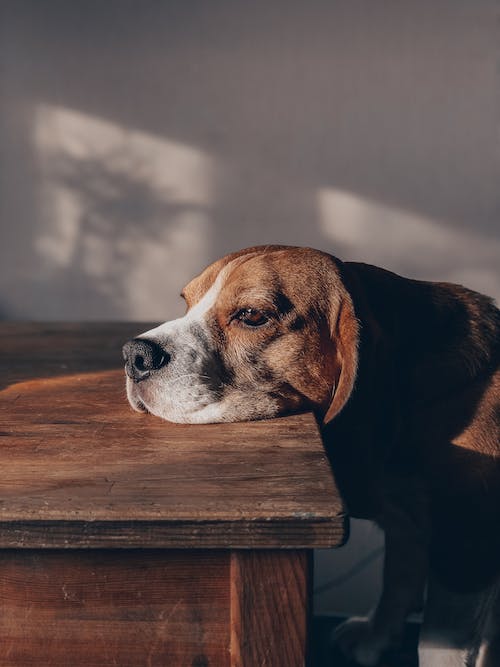
At Peak Legacy Ranch in Peyton, Colorado, we work with dogs in every stage of life—but puppies require especially close attention when it comes to hydration. Their small size, developing systems, and high energy levels make them more vulnerable to dehydration than adult dogs. What might take hours to affect a grown dog can impact a puppy much more quickly. Because of this, recognizing the early signs of dehydration in puppies is critical. The sooner you catch it, the easier it is to correct—and the safer your puppy will be.
Why Puppies Dehydrate Faster
Puppies naturally have a higher metabolism and tend to be more active, which means they burn through fluids more quickly. Add in playtime, warm weather, or even mild stress, and dehydration can set in faster than many owners expect. Illness is another major factor. Puppies are more prone to issues like diarrhea or vomiting, which can rapidly deplete fluids. Even something as simple as a change in diet or environment can trigger symptoms that lead to dehydration. Here in Colorado’s dry climate, we also see puppies lose moisture more quickly—especially when they’re outside exploring, training, or playing for extended periods.
Early Signs of Dehydration in Puppies
In our experience at Peak Legacy Ranch, the earliest signs of dehydration in puppies can be easy to miss if you’re not looking for them.
Watch for:
- Lower energy levels or unusual tiredness
- Less interest in food or treats
- Increased panting, even at rest
- Dry or slightly sticky gums
Healthy puppy gums should feel moist and smooth. If they start to feel tacky or dry, it’s often one of the first physical indicators that hydration levels are dropping.
Puppies may also seem less playful than usual. Since they’re typically full of energy, even a slight drop in activity can be a sign something isn’t right.
Physical Signs That Require Attention
As dehydration progresses, the symptoms become more noticeable. One simple way we guide owners to check hydration at home is the skin elasticity test.
Gently lift the skin between your puppy’s shoulders and release it. In a well-hydrated puppy, it should snap back immediately. If it returns slowly or holds its shape for a moment, that’s a sign your puppy may need fluids.
Additional signs include:
- Sunken or tired-looking eyes
- Thick saliva or dry mouth
- Weakness or wobbliness
- Continued lack of interest in play
At this stage, it’s important to step in quickly—offer water and monitor closely to ensure your puppy begins to recover.
When Dehydration Becomes Serious
Because puppies are more fragile, dehydration can become serious much faster than it would in an adult dog.
Seek veterinary care right away if you notice:
- Persistent vomiting or diarrhea
- Extreme lethargy or difficulty standing
- Very dry gums or pale/dark gum color
- Signs of confusion or unusual behavior
These symptoms indicate your puppy may need medical support, including fluids, to recover safely.
How We Help Prevent Dehydration in Puppies
At Peak Legacy Ranch, prevention is a big part of how we care for young dogs. Puppies in our care are given frequent water access, monitored playtime, and structured breaks to avoid overexertion.
At home, we recommend:
- Keeping fresh water available at all times
- Taking regular breaks during play and training
- Avoiding prolonged exposure to heat
- Monitoring closely after any signs of illness
It’s also important to build a habit of checking your puppy daily. A quick look at their gums, energy level, and behavior can help you catch issues early.
Protecting Your Puppy Starts with Awareness
Puppies rely on us to notice when something isn’t right. Dehydration can develop quickly, but it’s also highly manageable when caught early. By learning the signs and staying proactive, you can help your puppy stay healthy, active, and safe. At Peak Legacy Ranch in Peyton, CO, we’re committed to helping owners raise confident, well-cared-for dogs from the very beginning—and that starts with understanding the basics, like proper hydration.